Gardening on a Budget: Beautiful Gardens Without Breaking the Bank
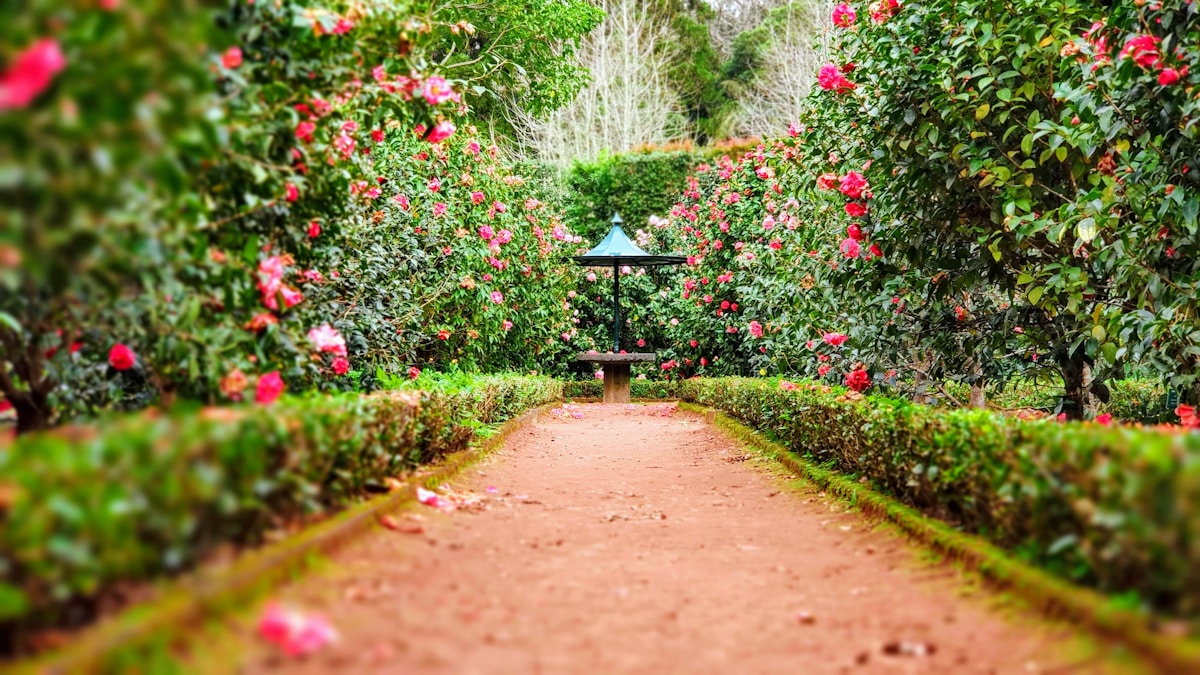
Creating a beautiful, productive garden doesn't require a massive budget. With creativity, resourcefulness, and smart shopping, you can transform your outdoor space into a stunning oasis for a fraction of what professional landscaping costs. This guide reveals proven strategies for gardening on a budget without sacrificing beauty or productivity.
Why Budget Gardening Makes Financial Sense
Gardening on a budget isn't just about saving money—it's about maximizing your return on investment while creating something beautiful and productive. The average home garden produces $500-$1,000 worth of fresh vegetables annually from an initial investment of just $200-$300. That's a 200-300% return that grows year after year as you build soil, save seeds, and accumulate tools.
Beyond financial savings, budget gardening offers:
• Health benefits: Fresh, organic produce with no pesticides
• Environmental impact: Reduced carbon footprint from transportation
• Mental wellness: Gardening reduces stress and provides exercise
• Food security: Control over your food supply
• Educational value: Teach children where food comes from
Start from Seed: The Biggest Money Saver
Starting plants from seed costs 70-90% less than buying transplants:
• Seed packets: $2-$4 for dozens of seeds vs. $4-$8 per plant
• Best seeds for beginners: Lettuce, radishes, beans, sunflowers, marigolds
• Indoor seed starting: Use egg cartons, yogurt containers, or paper towel rolls
• Timing: Start seeds indoors 6-8 weeks before last frost date
Savings example: 20 tomato plants from seed = $10 vs. $80-$120 at nursery
Build Free or Cheap Compost
Compost is garden gold, and you can make it for free:
What to Compost
• Kitchen scraps (fruit/vegetable peels, coffee grounds, eggshells)
• Yard waste (grass clippings, leaves, small branches)
• Paper products (shredded newspaper, cardboard, paper towels)
DIY Compost Bins
• Pallet bin: Free from businesses, stack 3-4 pallets
• Trash can composter: Drill holes in old garbage can ($0 if you have one)
• Wire mesh bin: Hardware cloth formed into cylinder ($20-$30)
Value: Saves $50-$150 annually on soil amendments
Propagate Plants from Cuttings and Divisions
Multiply your plants for free:
• Herbs: Basil, mint, rosemary root easily in water
• Succulents: Leaf cuttings produce new plants
• Perennials: Divide hostas, daylilies, ornamental grasses
• Shrubs: Take cuttings in spring/summer
• Swap with neighbors: Trade plant divisions for variety
Shop Smart for Plants and Supplies
Best Times to Buy
• End of season: 50-75% off in late summer/fall
• Clearance sales: Damaged pots, slightly wilted plants (often recoverable)
• Plant swaps: Community events, Facebook groups, gardening clubs
• After holidays: Poinsettias, mums discounted post-season
Where to Shop
• Local nurseries: Often cheaper than big box stores, better quality
• Farmer's markets: Local growers sell affordable starts
• Online seed companies: Bulk discounts, wider selection
• Habitat ReStore: Discounted tools, soil, lumber
DIY Garden Projects
Raised Beds
• Materials: Untreated cedar or pine from hardware store
• Cost: $50-$100 for 4x8 bed vs. $200-$400 pre-built
• Alternative: Use free pallets (ensure heat-treated, not chemical-treated)
Garden Paths
• Free: Wood chips from tree services (call local arborists)
• Cheap: Gravel or crushed stone ($30-$50 per cubic yard)
• DIY: Stepping stones from concrete mix ($5 per mold)
Vertical Gardens
• Pallet garden: Free pallet + landscape fabric + soil
• Gutter garden: Used gutters mounted on fence
• Shoe organizer: Hanging pocket organizer for herbs
Save on Water Costs
Water bills add up—reduce costs with these strategies:
• Rain barrels: Collect free water from gutters ($50-$150 for barrel, saves $100+/year)
• Mulch heavily: Reduces watering needs by 30-50%
• Drip irrigation: DIY from soaker hoses, 50% more efficient than sprinklers
• Water in morning: Less evaporation, better absorption
• Choose drought-tolerant plants: Native plants need less water
Repurpose and Upcycle
Before buying new, look around your home:
• Containers: Buckets, colanders, boots, drawers (drill drainage holes)
• Plant markers: Popsicle sticks, old spoons, painted rocks
• Greenhouse: Old windows framed together
• Trellises: Fallen branches, bamboo stakes, old ladders
• Wheelbarrow: Buy used for $20-$40 vs. $80-$150 new
Make Your Own Organic Solutions
Natural Pest Control
• Insecticidal soap: 1 tbsp dish soap + 1 quart water
• Neem oil spray: 2 tbsp neem oil + 1 tsp soap + 1 gallon water
• Garlic spray: Blend garlic cloves with water, strain, spray
Organic Fertilizers
• Banana peel tea: Soak peels in water for potassium
• Epsom salt: 1 tbsp per gallon for magnesium (tomatoes, peppers)
• Coffee grounds: Free from coffee shops, adds nitrogen
• Eggshell powder: Crushed shells add calcium
Savings: $50-$100/year vs. commercial products
Plan for Success
• Start small: 4x8 bed or container garden first year
• Grow what you eat: Don't waste space on vegetables your family won't eat
• Focus on expensive produce: Herbs, tomatoes, peppers, salad greens save most money
• Succession plant: Replant harvested areas for continuous yield
• Keep records: Track what works to avoid repeating mistakes
Seeds: $20-$40
Soil/compost: $50-$100 (or free if you make it)
Basic tools: $30-$50 (buy used)
Containers/beds: $50-$100 (DIY)
Mulch: $20-$40 (or free wood chips)
Total: $170-$330
Expected first-year harvest value: $300-$600
ROI: Garden pays for itself in year one!
Common Budget Gardening Mistakes
Mistake #1: Buying Cheap, Poor-Quality Tools
Discount tools break quickly and cost more long-term. Instead, buy used high-quality tools from estate sales or thrift stores. Invest in 3-4 good tools rather than 10 cheap ones. Essential tools only: trowel, pruners, hoe, watering can, gloves.
Mistake #2: Skipping Soil Preparation
Poor soil leads to weak plants, low yields, and wasted money on fertilizer. Always test soil before planting (free through extension offices), add compost and organic matter, and avoid working wet soil. Well-prepared soil produces 2-3x more food with less fertilizer and water.
Mistake #3: Overplanting
Starting too big leads to overwhelmed gardeners and wasted seeds. Start with 4-8 plants of each vegetable first year, focus on what your family actually eats, and expand gradually. Rule of thumb: One 4x8 raised bed feeds 1-2 people. Start there and expand.
Mistake #4: Not Mulching
Skipping mulch costs you money through increased water bills (30-50% more watering needed), more time weeding, and soil erosion. Use free mulch sources: grass clippings, shredded leaves, wood chips, newspaper, straw.
Mistake #5: Ignoring Free Resources
Many gardeners spend money on things available for free: compost from municipal programs, wood chips from tree services, plant divisions from neighbors, seeds from library programs, and tools from Buy Nothing groups.
Frequently Asked Questions
Q: Can I really start a garden with under $100?
Absolutely! Use free seeds from libraries or swaps ($0), make compost from kitchen scraps ($0), repurpose containers from home ($0), get free wood chips from tree services ($0), borrow tools from neighbors ($0). Your only costs might be soil amendments ($20-30) and a few essential seeds ($15-20). Total: $35-50 for a small garden that produces $300-500 worth of vegetables.
Q: What are the most cost-effective vegetables to grow?
Based on cost per pound at store vs. garden yield:
• Tomatoes: $4/lb store vs. $0.50/lb garden (85% savings)
• Herbs: $20/lb store vs. $2/lb garden (90% savings)
• Lettuce: $6/head store vs. $0.75/head garden (87% savings)
• Peppers: $5/lb store vs. $0.60/lb garden (88% savings)
• Green beans: $4/lb store vs. $0.40/lb garden (90% savings)
Avoid growing cheap crops like potatoes and onions unless you want specific varieties.
Q: How can I get free plants?
Multiple ways: Join local Facebook gardening groups for plant swaps, attend community garden open houses, ask neighbors with established gardens for divisions, check Buy Nothing groups and Freecycle, visit garden center clearance sections, and save seeds from grocery store heirloom tomatoes.
Q: Is it cheaper to build raised beds or buy them?
Building is 60-75% cheaper. DIY 4x8 raised bed costs $50-80 in lumber vs. $200-400 pre-built. Free alternative: Stacked pallets (ensure heat-treated, not chemically treated). Cheapest option: No-dig method with cardboard and compost ($0-30).
Q: How do I reduce water costs in my garden?
Water-saving strategies: Rain barrels ($50-100 investment, saves $100-200/year), mulch (free/cheap, reduces watering 30-50%), drip irrigation ($30-50 DIY soaker hose system, 50% more efficient), water timing (6-10 AM reduces evaporation by 30%), and drought-tolerant varieties (native plants need 50-75% less water).
Q: What's the ROI on a vegetable garden?
Average returns based on garden size:
• Small (4x8 bed, $100 investment): $300-500 harvest = 200-400% ROI
• Medium (4x16 beds, $200 investment): $600-1,000 harvest = 200-400% ROI
• Large (multiple beds, $500 investment): $1,500-2,500 harvest = 200-400% ROI
ROI increases in year 2+ as soil improves, you save seeds, and accumulate tools.
Expert Budget Gardening Tips
💰 Money-Saving Secrets from Master Gardeners
- ✓ Shop End-of-Season Sales: Buy next year's supplies in August-September when everything is 50-75% off. Stock up on seeds, tools, soil, and containers.
- ✓ Join a Community Garden: For $20-50/year, you get a 10x10 plot, shared tools, water, and knowledge from experienced gardeners. Incredible value!
- ✓ Save Seeds Every Year: After your initial seed purchase, save seeds from tomatoes, beans, peas, lettuce, and herbs. Never buy those seeds again!
- ✓ Barter with Neighbors: Trade your surplus zucchini for their tomatoes, swap herb cuttings, share tool purchases. Community gardening costs less and builds friendships.
• Learn How to Start a Vegetable Garden step-by-step
• Discover Essential Plant Care Tips for healthy plants
• Read Seasonal Garden Maintenance checklist
• Explore Garden Landscaping Ideas on a budget
Conclusion
Beautiful, productive gardens are absolutely achievable on any budget. Start from seed, make your own compost, propagate plants, shop smart, and embrace DIY projects. The initial investment is minimal, and within one growing season, your garden will pay for itself through fresh produce and reduced landscaping costs. Remember, some of the world's most beautiful gardens were created by resourceful gardeners who worked with what they had. With creativity and determination, your budget garden can be just as stunning—and far more rewarding—than expensive professionally landscaped yards.