How to Start a Vegetable Garden: Complete Beginner's Guide
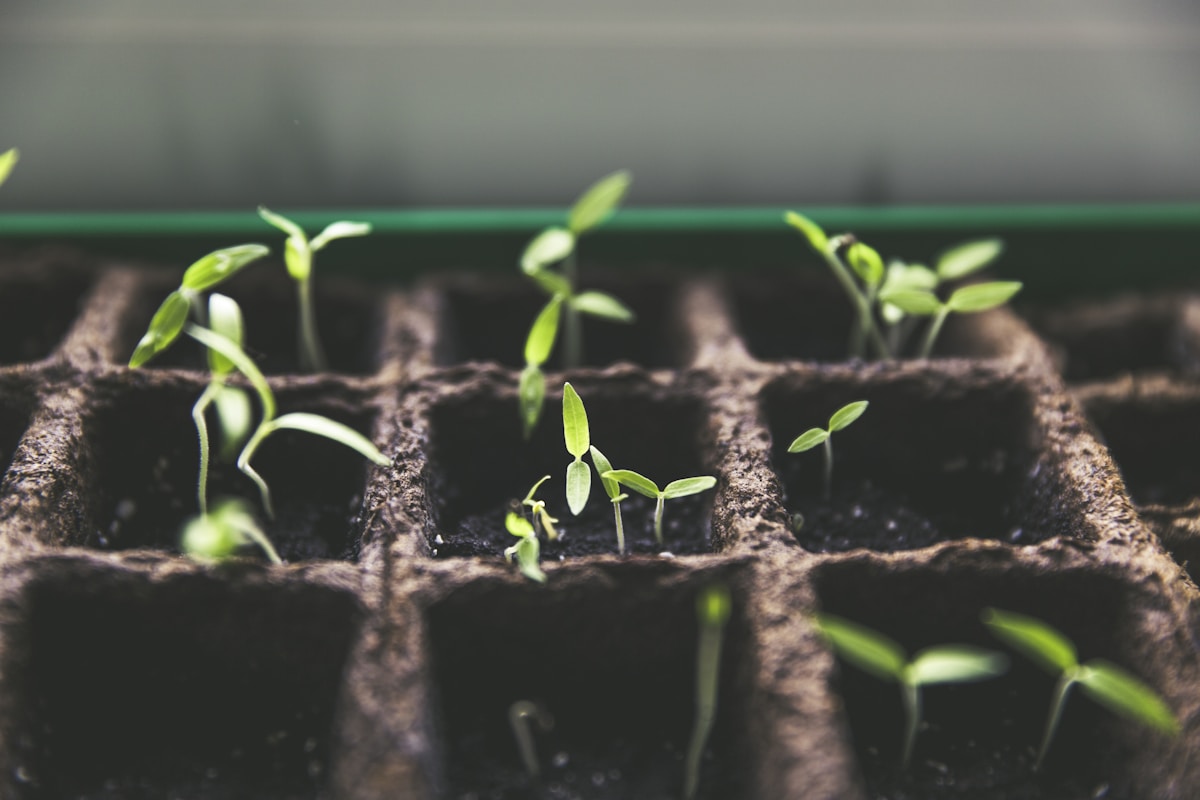
Growing your own vegetables is one of the most rewarding and cost-effective hobbies you can pursue. A well-planned vegetable garden provides fresh, organic produce, reduces grocery bills, and connects you with nature. Whether you have a sprawling backyard or a small balcony, you can grow delicious vegetables at home. This comprehensive guide walks you through everything you need to know to start a successful vegetable garden.
Benefits of Growing Your Own Vegetables
• Fresh, nutritious produce: Harvest at peak ripeness for maximum flavor and nutrients
• Cost savings: Save $500-$1,000+ annually on grocery bills
• Organic control: No pesticides or chemicals unless you choose to use them
• Environmental impact: Reduce carbon footprint from food transportation
• Physical activity: Gardening burns 200-400 calories per hour
• Mental health: Reduces stress, improves mood, provides sense of accomplishment
Step 1: Choose the Right Location
Location is critical to vegetable garden success:
Sunlight Requirements
• Most vegetables need 6-8 hours of direct sunlight daily
• Track sun patterns in your yard throughout the day
• South-facing locations receive the most sun
• Leafy greens can tolerate partial shade (4-6 hours)
Other Location Factors
• Water access: Close to hose or water source
• Good drainage: Avoid low spots where water collects
• Protection from wind: Use fences, hedges, or buildings as windbreaks
• Convenience: Close to house for easy maintenance and harvesting
Step 2: Decide on Garden Type
In-Ground Beds
Pros: Least expensive, good for large spaces, natural drainage
Cons: Requires good native soil, more weeding, harder on back
Best for: Large yards with good soil, experienced gardeners
Raised Beds
Pros: Better soil control, improved drainage, less weeding, easier on back
Cons: Initial cost for materials and soil, may dry out faster
Best for: Poor native soil, small spaces, beginners
Cost: $100-$300 per 4x8 bed (materials and soil)
Container Gardens
Pros: Portable, good for small spaces, fewer pest problems
Cons: Frequent watering, limited root space, higher maintenance
Best for: Patios, balconies, renters, limited space
Step 3: Prepare the Soil
Healthy soil is the foundation of a productive vegetable garden:
Soil Testing
• Test pH (most vegetables prefer 6.0-7.0)
• Check nutrient levels (N, P, K)
• Test kits available at garden centers ($15-$30) or through extension offices
Improving Soil
• Add 2-4 inches of compost to beds before planting
• Mix in aged manure for nutrients
• Use peat moss or coconut coir to improve water retention
• Add perlite or vermiculite for better drainage in heavy soils
Step 4: Choose What to Grow
Easy Vegetables for Beginners
• Lettuce and salad greens: Fast-growing, cool season, cut-and-come-again
• Radishes: Ready in 25-30 days, very forgiving
• Bush beans: Productive, no staking required
• Zucchini: Prolific producers (2-3 plants feed a family)
• Tomatoes (cherry varieties): Easier than large tomatoes, disease-resistant
• Herbs: Basil, cilantro, parsley grow easily from seed
Plan Your Planting
• Cool-season crops: Lettuce, peas, broccoli, carrots (spring and fall)
• Warm-season crops: Tomatoes, peppers, cucumbers, beans (after last frost)
• Check your frost dates: Plant based on your area's last spring frost and first fall frost
Step 5: Planting
Seeds vs. Transplants
Start from seed: Cheaper, more variety, but requires more time and care
Buy transplants: Faster harvest, easier for beginners, but limited variety
Planting Guidelines
• Follow seed packet instructions for depth and spacing
• Don't overcrowd—proper spacing prevents disease and improves yields
• Water immediately after planting
• Label rows with variety and planting date
Step 6: Watering and Mulching
Watering Best Practices
• Deep watering: 1-2 inches per week (including rain)
• Water at base: Avoid wetting foliage to prevent diseases
• Morning watering: Best time to water (6-10 AM)
• Consistent moisture: Fluctuations cause problems (blossom end rot, splitting)
Mulching
• Apply 2-3 inch layer of straw, shredded leaves, or wood chips
• Keeps soil moist, suppresses weeds, regulates temperature
• Keep mulch 2 inches away from plant stems
Step 7: Fertilizing
Vegetables are heavy feeders and need regular nutrition:
• Before planting: Mix balanced organic fertilizer into soil
• During growth: Feed every 3-4 weeks with liquid fertilizer
• Tomatoes and peppers: Need extra calcium and phosphorus
• Leafy greens: Need more nitrogen for leaf growth
• Don't over-fertilize: Too much nitrogen = lots of leaves, few fruits
Step 8: Pest and Disease Management
Prevention Strategies
• Choose disease-resistant varieties
• Rotate crops annually (don't plant same family in same spot)
• Provide proper spacing for air circulation
• Water at base, not on leaves
• Remove diseased plants immediately
Common Pests and Solutions
• Aphids: Spray with water or insecticidal soap
• Tomato hornworms: Hand-pick or use Bt (Bacillus thuringiensis)
• Slugs: Beer traps, copper tape, diatomaceous earth
• Squash bugs: Check undersides of leaves, remove eggs
Step 9: Harvesting
• Harvest regularly: Encourages continued production
• Best time: Early morning when vegetables are crisp
• Use clean tools: Prevents disease spread
• Know when ripe: Learn signs of ripeness for each vegetable
Sample Beginner Garden Plan (4x8 Raised Bed)
3 rows of lettuce (12 plants)
2 rows of radishes (24 plants)
2 rows of bush beans (12 plants)
2 tomato plants (caged)
4 herb plants (basil, cilantro, parsley)
Estimated cost: $150-$250 (bed, soil, plants, seeds)
Expected harvest value: $300-$500+ in produce
Step 10: Season Extension Techniques
Start Seeds Indoors
• Start tomatoes, peppers, eggplants 6-8 weeks before last frost
• Use seed starting mix (not garden soil)
• Provide 14-16 hours of light daily (grow lights or south window)
• Harden off seedlings before transplanting outdoors (1 week gradual exposure)
Use Season Extension Tools
• Cold frames: Extend season by 4-6 weeks in spring and fall
• Row covers: Protect from frost, insects, birds (floating fabric)
• Hoop houses: Simple PVC hoops with plastic sheeting
• Mulch heavily: Straw mulch keeps soil warm in fall
Companion Planting for Better Yields
Best Companion Plant Combinations
• Tomatoes + Basil: Basil repels pests, improves tomato flavor
• Carrots + Onions: Onions deter carrot fly, carrots help onions
• Beans + Corn + Squash: Classic "Three Sisters" method (Native American technique)
• Lettuce + Tall plants: Lettuce grows in shade of tomatoes or corn
• Marigolds + Everything: Repel nematodes and many pests
Plants That Don't Get Along
• Tomatoes + Brassicas (cabbage, broccoli): Compete for nutrients
• Beans + Onions: Onions stunt bean growth
• Potatoes + Tomatoes: Both susceptible to same blights
Organic Pest Control Methods
Prevention First
• Healthy soil = healthy plants = fewer pest problems
• Proper spacing for air circulation
• Water at base (wet leaves attract pests and disease)
• Rotate crops annually (breaks pest life cycles)
• Encourage beneficial insects (ladybugs, lacewings, praying mantis)
Natural Pest Remedies
• Neem oil: Controls aphids, whiteflies, fungal diseases
• Garlic spray: Repels many insects (blend garlic + water, strain, spray)
• Diatomaceous earth: Kills slugs, beetles, ants (reapply after rain)
• Insecticidal soap: Safe for beneficial insects, kills soft-bodied pests
• Hand-picking: Most effective for larger pests (hornworms, beetles)
Succession Planting for Continuous Harvests
What Is Succession Planting?
Planting small batches every 2-3 weeks instead of all at once ensures continuous harvests rather than one giant harvest followed by nothing.
Best Crops for Succession Planting
• Lettuce and salad greens: Plant every 2 weeks from spring to fall
• Radishes: Every 2 weeks (they're so fast!)
• Bush beans: Every 3 weeks through mid-summer
• Carrots: Every 3 weeks for continuous baby carrots
• Herbs: Cilantro, dill bolt quickly—resow monthly
Garden Planning Tools and Resources
Free Planning Resources
• Old Farmer's Almanac: Frost dates, planting calendars, moon phases
• Local extension offices: Free soil tests, expert advice, workshops
• Garden planner apps: Plan layout, track planting dates, get reminders
• Seed catalogs: Free detailed growing guides with each variety
Keeping a Garden Journal
Track these details each season:
• Planting dates and varieties
• Weather patterns and unusual conditions
• Pest and disease problems (and what worked)
• Harvest dates and yields
• What you'd do differently next year
• Photos throughout the season
Common Beginner Mistakes to Avoid
Mistake #1: Starting Too Big
Beginners often plant 20x more than they can manage. A 4x8 raised bed produces enough vegetables for a family of 4. Start small, learn the basics, then expand next year. An overwhelmed gardener is a failed gardener.
Mistake #2: Poor Soil Preparation
Skipping soil prep is the #1 reason gardens fail. Test your soil, add compost, ensure proper pH. Good soil grows good plants. Poor soil struggles no matter how much you water or fertilize. Spend $50 on compost upfront to save hundreds in failed crops.
Mistake #3: Inconsistent Watering
Erratic watering causes: blossom end rot in tomatoes, bitter lettuce, split carrots, poor yields. Water deeply 2-3 times per week rather than daily light sprinklings. Use mulch to maintain consistent moisture. Install drip irrigation or soaker hoses on timers for consistent watering.
Mistake #4: Planting at Wrong Time
Planting warm-season crops (tomatoes, peppers) too early kills them to frost. Planting cool-season crops (lettuce, peas) too late causes bolting. Know your frost dates! Plant based on YOUR area's calendar, not when you see plants at the garden center.
Mistake #5: Ignoring Pest Problems
Checking plants daily catches problems early when they're easy to fix. Waiting until plants are destroyed is too late. Spend 5 minutes every morning inspecting leaves (especially undersides). Early intervention = easy control. Late intervention = crop loss.
Maximizing Your Garden's Financial Return
💰 ROI Analysis: Vegetable Garden Investment
- ✓ Initial Investment (4x8 Raised Bed): $150-250 (bed, soil, compost, seeds, tools)
- ✓ Annual Ongoing Costs: $50-100 (seeds, compost, fertilizer, water)
- ✓ First Season Harvest Value: $300-500 (conservative estimate)
- ✓ Second+ Season Value: $500-800/year (bed already paid for)
- ✓ 5-Year ROI: Invest $550-650 total → Harvest $2,500-4,000 in produce = 400-600% return!
Money-Saving Tip: Start seeds indoors ($3 for 50 seeds vs. $4 per transplant) and save 70-80% on plant costs.
Frequently Asked Questions
Q: How much space do I need to grow vegetables?
You can grow vegetables in as little as 4 square feet! A 4x8 raised bed (32 sq ft) produces enough for a family of 4. Containers work too—even a sunny windowsill grows herbs and lettuce. Start small: 4x4 or 4x8 bed is perfect for beginners.
Q: How often should I water my vegetable garden?
Most vegetables need 1-2 inches of water per week (including rain). Water deeply 2-3 times per week rather than daily light watering. Check soil moisture by sticking finger 2 inches deep—if dry, water. Morning watering (6-10 AM) is best. Use mulch to reduce watering frequency by 50%.
Q: Can I grow vegetables in containers?
Absolutely! Many vegetables thrive in containers: tomatoes (5-gallon pots), peppers, lettuce, radishes, herbs, bush beans. Ensure containers have drainage holes. Use quality potting mix (not garden soil). Water more frequently (containers dry out faster). Place in location with 6-8 hours of sun.
Q: When is the best time to start a vegetable garden?
Spring (after last frost) for warm-season crops. Fall for cool-season crops. Plan 6-8 weeks before your last frost date to start seeds indoors. Most beginners start in spring (April-May in most areas). Check your local frost dates—this is critical for timing.
Q: How do I keep pests from destroying my garden?
Use integrated pest management: (1) Prevention: healthy soil, proper spacing, crop rotation, (2) Physical barriers: row covers, netting, hand-picking, (3) Organic sprays: neem oil, insecticidal soap, garlic spray as last resort. Encourage beneficial insects (ladybugs eat aphids). Check plants daily—early detection is key.
Q: Is organic gardening worth the extra effort?
Organic gardening costs slightly more upfront but saves money long-term: no expensive synthetic chemicals, healthier soil reduces problems, produce is chemical-free and tastes better. Compost and natural fertilizers are cheap. The environmental and health benefits make it worthwhile for most gardeners.
Conclusion
Starting a vegetable garden is easier than you think. Begin small, choose easy vegetables, prepare your soil well, and maintain consistent watering and feeding. Don't be discouraged by initial failures—every gardener learns through experience. Keep notes, observe your plants daily, and adjust your approach based on what you learn. Within one season, you'll be enjoying fresh, homegrown vegetables that taste infinitely better than anything from the store, and you'll have the satisfaction of growing your own food with your own hands.