Essential Home Maintenance Tips Every Homeowner Should Know
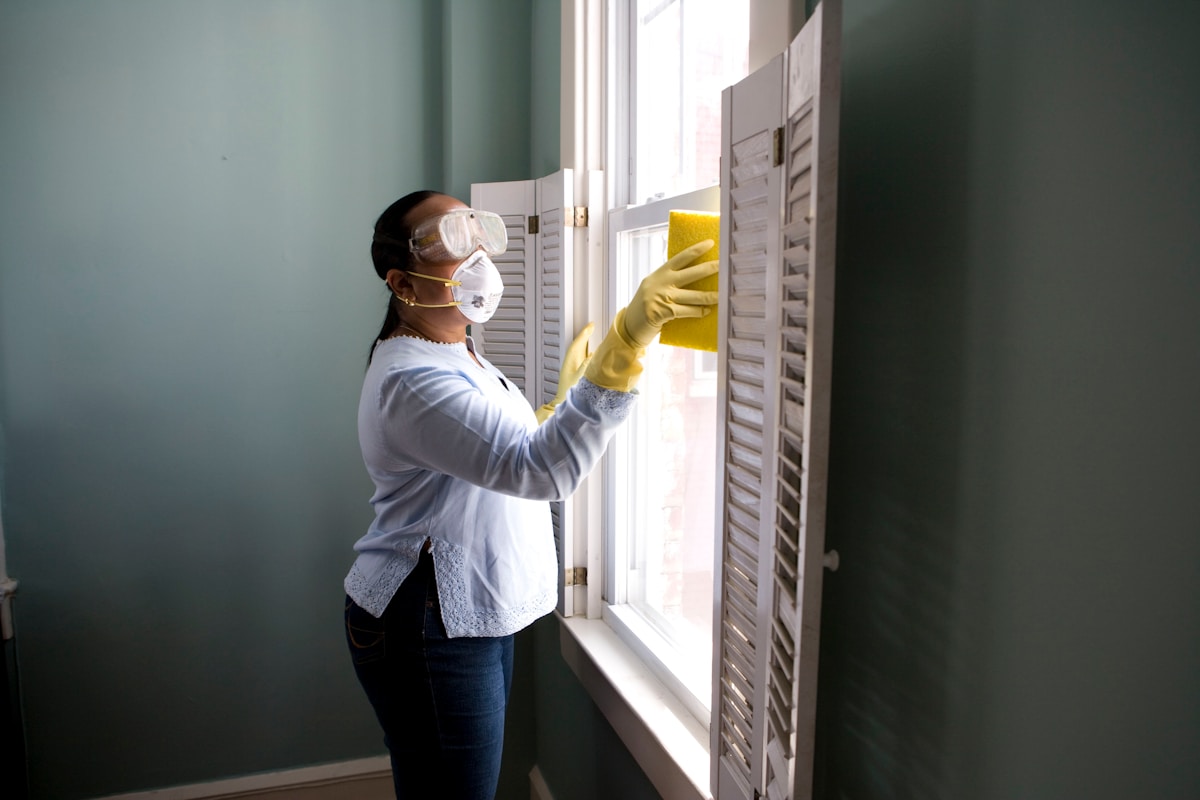
Owning a home is a significant investment, and like any investment, it requires regular maintenance to protect its value and ensure it remains safe, comfortable, and efficient. Preventive maintenance can save you thousands of dollars in costly repairs, extend the lifespan of major systems, and keep your home looking its best. This comprehensive guide covers essential home maintenance tasks every homeowner should know.
Why Regular Home Maintenance Matters
Regular maintenance prevents small problems from becoming expensive disasters. A $20 gutter cleaning can prevent thousands in water damage. A $100 HVAC tune-up can extend your system's life by years and save hundreds in energy costs. The National Association of Realtors recommends budgeting 1-3% of your home's value annually for maintenance and repairs.
Monthly Maintenance Tasks
• Test smoke and CO detectors: Replace batteries as needed and test all units
• Check water pressure: High pressure can damage pipes; ideal range is 40-60 PSI
• Inspect for leaks: Check under sinks, around toilets, and near appliances
• Clean garbage disposal: Run ice cubes and citrus peels to freshen and sharpen blades
• Check HVAC filters: Replace or clean filters every 1-3 months
Seasonal Maintenance Checklist
Spring
• Clean gutters and downspouts to prevent water damage
• Inspect roof for missing or damaged shingles
• Test sump pump before rainy season
• Service air conditioning system
• Seal cracks in driveway and walkways
• Clean and inspect deck or patio
• Check exterior paint and caulk
Summer
• Clean dryer vent to prevent fire hazards
• Inspect and clean garage door tracks and sensors
• Check window and door seals for air leaks
• Maintain landscaping and trim trees away from house
• Power wash exterior surfaces
• Inspect foundation for cracks or water intrusion
Fall
• Clean gutters after leaves fall
• Winterize outdoor plumbing and irrigation systems
• Service heating system before cold weather
• Check attic insulation and ventilation
• Seal gaps around windows and doors
• Clean chimney and fireplace
• Store or cover outdoor furniture
Winter
• Prevent frozen pipes by insulating exposed plumbing
• Keep heat at minimum 55°F even when away
• Remove ice dams from roof safely
• Check for drafts and add weatherstripping
• Test emergency generator if you have one
• Monitor for ice buildup on roof and gutters
Annual Maintenance Tasks
• Water heater flush: Drain and flush to remove sediment buildup, extends life by years
• Professional HVAC inspection: Annual tune-ups improve efficiency and prevent breakdowns
• Septic system inspection: Pump every 3-5 years depending on usage
• Termite inspection: Catch infestations early to prevent structural damage
• Tree inspection: Remove dead branches that could damage your home
• Deep clean carpets: Extends carpet life and improves indoor air quality
Major Systems Maintenance
Roof (Lifespan: 20-30 years)
Inspect twice yearly and after major storms. Replace missing shingles immediately. Clean moss and algae. Ensure proper attic ventilation to prevent ice dams and extend roof life.
HVAC (Lifespan: 15-20 years)
Replace filters every 1-3 months. Schedule professional maintenance twice yearly. Keep outdoor units clear of debris. Clean ducts every 3-5 years.
Plumbing (Lifespan: 50+ years)
Fix leaks promptly. Drain water heater annually. Insulate pipes in cold areas. Don't pour grease down drains. Know where your main water shutoff valve is located.
Electrical (Lifespan: 40-50 years)
Test GFCI outlets monthly. Don't overload circuits. Upgrade outdated wiring. Hire licensed electricians for major work. Install surge protectors.
Hidden Maintenance Costs Most Homeowners Forget
Often Overlooked Expenses
• Tree trimming: $300-800 every 2-3 years (prevents storm damage)
• Chimney sweeping: $150-300 annually (prevents fires)
• Septic pumping: $300-500 every 3-5 years
• Well water testing: $100-300 annually
• Driveway resealing: $200-600 every 2-5 years
• Deck staining: $500-1,500 every 2-3 years
• Appliance replacement fund: $1,000-2,000/year (they all die eventually)
DIY vs. Professional: When to Call Experts
Safe DIY Projects (Save $500-2,000/year)
• Changing HVAC filters ($20-40, saves $100s in energy)
• Cleaning gutters ($150 savings, needs ladder safety)
• Caulking windows and tubs ($50 in materials vs. $200+ pro)
• Painting interior rooms ($200-400 DIY vs. $800-1,500 pro)
• Weatherstripping doors ($30-50, saves on heating/cooling)
• Unclogging drains (plunger/drain snake vs. $150 plumber)
• Replacing light fixtures and outlets (if comfortable with electrical)
Always Hire Professionals
• Electrical panel work: Risk of fire, injury, code violations
• Major plumbing: Water damage costs thousands if done wrong
• Roof repairs: Fall risk, improper fixes cause leaks
• HVAC repairs: Refrigerant handling requires certification
• Gas line work: Explosion risk, permits required
• Structural changes: Load-bearing walls, foundation repairs
• Mold remediation: Health hazard, requires specialized equipment
Creating a Home Maintenance Schedule
Digital Tools to Track Maintenance
• Centriq: Free app tracks appliances, manuals, maintenance schedules
• HomeZada: Comprehensive home management ($30/year)
• Google Calendar: Set recurring reminders for seasonal tasks
• Spreadsheet: Simple but effective—track dates, costs, warranties
Maintenance Tracking System
Create a home maintenance binder or digital folder with:
• Receipts for all repairs and improvements
• Warranties and manuals for appliances/systems
• Paint colors and brands used in each room
• Contractor contact information
• Before/after photos of major projects
• Annual maintenance checklist with completion dates
Extending the Life of Major Home Systems
Water Heater (Lifespan: 8-12 years)
• Flush tank annually to remove sediment (extends life 2-3 years)
• Test pressure relief valve yearly
• Set temperature to 120°F (saves energy, prevents scalding)
• Insulate hot water pipes and tank (if not already insulated)
• Replace anode rod every 3-5 years ($20 part, prevents tank corrosion)
Roof (Lifespan: 20-30 years for asphalt shingles)
• Clean gutters twice yearly (prevents ice dams and water backup)
• Trim overhanging branches (prevents damage and animal access)
• Remove moss/algae with zinc strips or gentle cleaning
• Inspect after major storms for missing/damaged shingles
• Ensure proper attic ventilation (prevents premature aging)
HVAC System (Lifespan: 15-20 years)
• Change filters every 1-3 months (most important maintenance task!)
• Professional tune-up twice yearly ($150-300, saves $1,000s)
• Keep outdoor unit clear (2 feet clearance on all sides)
• Clean evaporator and condenser coils annually
• Seal ductwork (20-30% of air lost through leaky ducts)
• Install programmable thermostat (saves 10-15% on energy)
Emergency Preparedness for Homeowners
Essential Tools Every Homeowner Needs
• Plunger and drain snake
• Adjustable wrenches (2)
• Screwdriver set (Phillips and flathead)
• Hammer and tape measure
• Flashlight and batteries
• Duct tape and electrical tape
• Teflon tape (for plumbing)
• Cordless drill
• Level and stud finder
• Fire extinguisher (ABC type)
Know Where Your Shut-Off Valves Are
Every homeowner MUST know these locations:
• Main water shut-off: Usually near where water line enters house
• Water heater shut-off: Cold water inlet on top of water heater
• Gas shut-off: At meter (requires wrench to turn)
• Electrical panel: Main breaker and individual circuits
• Sewer cleanout: Usually outside near foundation
Seasonal Maintenance Deep Dive
🍂 Fall Maintenance Priority List
- 1️⃣ Clean gutters: Prevents ice dams, water damage, foundation issues. Cost: $150-250 DIY, $300-500 pro. Priority: CRITICAL
- 2️⃣ Winterize irrigation: Blow out sprinkler system to prevent frozen/burst pipes. Cost: $75-150. Priority: CRITICAL
- 3️⃣ Service furnace: Annual tune-up ensures efficiency and safety. Cost: $100-200. Priority: HIGH
- 4️⃣ Seal windows/doors: Weatherstripping and caulk save 10-20% on heating. Cost: $50-100 DIY. Priority: HIGH
- 5️⃣ Test smoke/CO detectors: Replace batteries, test all units. Cost: $20 for batteries. Priority: CRITICAL (safety)
Money-Saving Maintenance Tips
1. DIY when safe: Learn basic tasks like changing filters, caulking, and cleaning gutters
2. Get multiple quotes: Always get 3+ estimates for major repairs
3. Buy quality materials: Cheap parts often need replacing sooner
4. Keep records: Document all maintenance and repairs for warranty claims and home sales
5. Learn when to call pros: Electrical, structural, and gas work require professionals
Annual Budget = Home Value × 1-3%
Example: $300,000 home = $3,000-$9,000/year ($250-$750/month)
Emergency Fund: Keep 3-6 months of maintenance budget for unexpected repairs
Common Maintenance Mistakes to Avoid
Mistake #1: Ignoring Small Problems
A small leak becomes major water damage. A cracked shingle leads to roof rot. A strange HVAC noise precedes total system failure. Address issues immediately when they're cheap and easy to fix. Deferred maintenance always costs 3-10x more later.
Mistake #2: Skipping Annual Inspections
Annual HVAC, roof, and pest inspections cost $300-600 total but catch $5,000-50,000 problems early. It's like skipping oil changes—eventually your engine seizes. Professional inspections provide peace of mind and extend system life.
Mistake #3: Using Wrong Materials
Interior paint outside cracks in weather. Wrong caulk fails in months. Cheap parts break quickly. Always use materials rated for the specific application. The $10 savings now costs $100+ in redoing the job.
Mistake #4: Not Keeping Records
Documentation helps with: warranty claims, insurance claims, home resale value, tax deductions (home office, energy improvements). Keep receipts, photos, and contractor invoices organized. Digital apps make this easy.
Mistake #5: Deferring Maintenance to Save Money
Postponing repairs always costs more. A $200 gutter cleaning prevents $5,000 in water damage. A $150 HVAC tune-up prevents $5,000 system replacement. Maintenance isn't optional—it's cheaper than repairs.
Advanced Money-Saving Maintenance Strategies
💰 Pro Homeowner Secrets
- ✓ Get 3+ Quotes for Major Work: Never accept the first bid. Prices vary 30-50% between contractors. Get detailed written estimates with materials, labor, timeline. Choose quality over lowest price.
- ✓ Buy Materials During Sales: Paint, lumber, tools go on sale seasonally. Stock up during Black Friday, end-of-season clearance. Save 20-40% on materials you'll need eventually.
- ✓ Learn Basic Skills on YouTube: Free tutorials for: fixing running toilets, replacing faucets, patching drywall, installing ceiling fans. Each DIY repair saves $100-300 in labor.
- ✓ Build Relationship with Good Contractors: Reliable plumber, electrician, handyman. They'll prioritize your calls, give fair prices, do quality work. Ask neighbors for recommendations.
- ✓ Preventive Maintenance Pays: Spending $1,000/year on maintenance prevents $10,000+ in emergency repairs. It's not IF something breaks—it's WHEN. Be prepared.
When to Consider a Home Warranty
Home Warranty Pros
• Covers major systems/appliances (HVAC, plumbing, electrical, refrigerator, etc.)
• Predictable costs ($300-600/year + $75-125 service call fee)
• Good for older homes with aging systems
• Helpful if you're not handy and can't DIY repairs
Home Warranty Cons
• Many claims denied due to "pre-existing conditions" or "improper maintenance"
• Must use their contractors (may not be best quality)
• Coverage limits often lower than actual replacement costs
• Can be difficult to get claims approved
Verdict
Home warranties are worth considering IF: your home is 10+ years old, systems are original, you have limited emergency fund, you're not handy. NOT worth it IF: newer home, good maintenance habits, can afford $2,000-5,000 emergency repairs, comfortable calling contractors directly.
Frequently Asked Questions
• Rule of thumb: 1-3% of home value annually
• $200,000 home: $2,000-6,000/year ($167-500/month)
• $300,000 home: $3,000-9,000/year ($250-750/month)
• $400,000 home: $4,000-12,000/year ($333-1,000/month)
Typical Annual Expenses:
• HVAC service: $150-300
• Gutter cleaning: $150-250
• Lawn care: $500-1,500
• Pest control: $300-600
• Pressure washing: $200-400
• Minor repairs: $500-2,000
• Emergency fund: $1,000-3,000
Frequently Asked Questions
Q: How much should I budget for home maintenance?
Rule of thumb: 1-3% of home value annually. For a $300,000 home: $3,000-9,000/year ($250-750/month). Older homes need more (2-4%), newer homes less (0.5-1%). Create separate maintenance fund and emergency repair fund. Don't rely on credit cards for repairs.
Q: What are the most expensive home repairs?
Top 5 costliest repairs:
1. Foundation repair: $5,000-50,000+
2. Roof replacement: $5,000-15,000
3. HVAC replacement: $3,000-7,000
4. Sewer line replacement: $3,000-10,000
5. Water damage remediation: $2,000-30,000
This is why preventive maintenance is critical—it prevents these disasters.
Q: How often should I repaint my house?
Exterior: Every 5-10 years (depends on climate and paint quality). Interior: Every 3-7 years (high-traffic areas more often). Quality paint lasts longer and looks better. Professional exterior painting: $3,000-7,000. DIY saves 50-60% but requires time and skill.
Q: Should I get a home warranty?
Home warranties ($300-600/year) cover major systems/appliances but have limitations. Worth considering if: older home, aging systems, limited emergency fund, not handy. Often not worth it if: newer home, good maintenance habits, can afford repairs. Read fine print—many claims are denied.
Q: What maintenance tasks should I never skip?
CRITICAL (safety/structural):
• Test smoke/CO detectors monthly
• Clean gutters twice yearly
• Annual HVAC inspection
• Fix water leaks immediately
• Inspect roof annually
• Service water heater yearly
Skipping these leads to expensive damage or safety hazards.
Q: How can I find reliable contractors?
Best methods:
1. Ask neighbors/friends for recommendations
2. Check online reviews (Google, Yelp, Angie's List)
3. Verify licenses and insurance
4. Get 3+ detailed written estimates
5. Check BBB for complaints
6. Ask for references from recent jobs
Never hire door-to-door contractors or those demanding full payment upfront.
Q: How often should I service my HVAC system?
Twice yearly: spring (AC) and fall (heating). Regular maintenance extends system life 5-10 years, improves efficiency 15-20%, and prevents costly breakdowns. Cost: $150-300 per service. Neglect can lead to $3,000-7,000 replacements.
Q: When should I replace my roof?
Asphalt shingles: 20-25 years. Metal roofs: 40-70 years. Tile/slate: 50-100 years. Signs you need replacement: curling/missing shingles, granules in gutters, daylight through roof boards, sagging, leaks. Replacement cost: $5,000-15,000+ depending on size and materials.
Q: How often should I repaint my house?
Exterior: Every 5-10 years. Interior: Every 3-7 years (high-traffic areas more often). Quality paint lasts longer and looks better. Professional exterior painting: $3,000-7,000. DIY saves 50-60% but requires time and skill.
Q: What maintenance tasks can I DIY vs. hire out?
DIY: Gutter cleaning, air filter replacement, caulking, painting, minor plumbing, lawn care.
Hire Professionals: Electrical work, major plumbing, roof repairs, HVAC service, tree removal, structural issues.
Rule: If it requires permits, specialized tools, or involves safety risks, hire a pro.
Q: Should I get a home warranty?
Home warranties ($300-600/year) cover major systems/appliances but have limitations. Worth considering if: older home, aging systems, limited emergency fund, not handy. Often not worth it if: newer home, good maintenance habits, can afford repairs. Read fine print—many claims are denied.
🛠️ Seasonal Maintenance Checklist
- ✓ Spring: Clean gutters, inspect roof, service AC, check foundation, pressure wash
- ✓ Summer: Maintain lawn, seal driveway, clean dryer vent, inspect deck/patio
- ✓ Fall: Winterize irrigation, service furnace, clean gutters, seal windows/doors
- ✓ Winter: Check insulation, prevent frozen pipes, test smoke/CO detectors, interior maintenance
• Learn Home Decoration Tips to refresh your space
• Read about Home Renovation for bigger projects
• Use our Budget Calculator to plan maintenance expenses
Conclusion
Regular home maintenance is the key to protecting your investment and avoiding costly repairs. Create a maintenance schedule, budget appropriately, and stay proactive rather than reactive. The time and money you invest in maintenance will pay dividends through increased home value, lower utility bills, fewer emergency repairs, and peace of mind knowing your home is safe and well-maintained for years to come.